
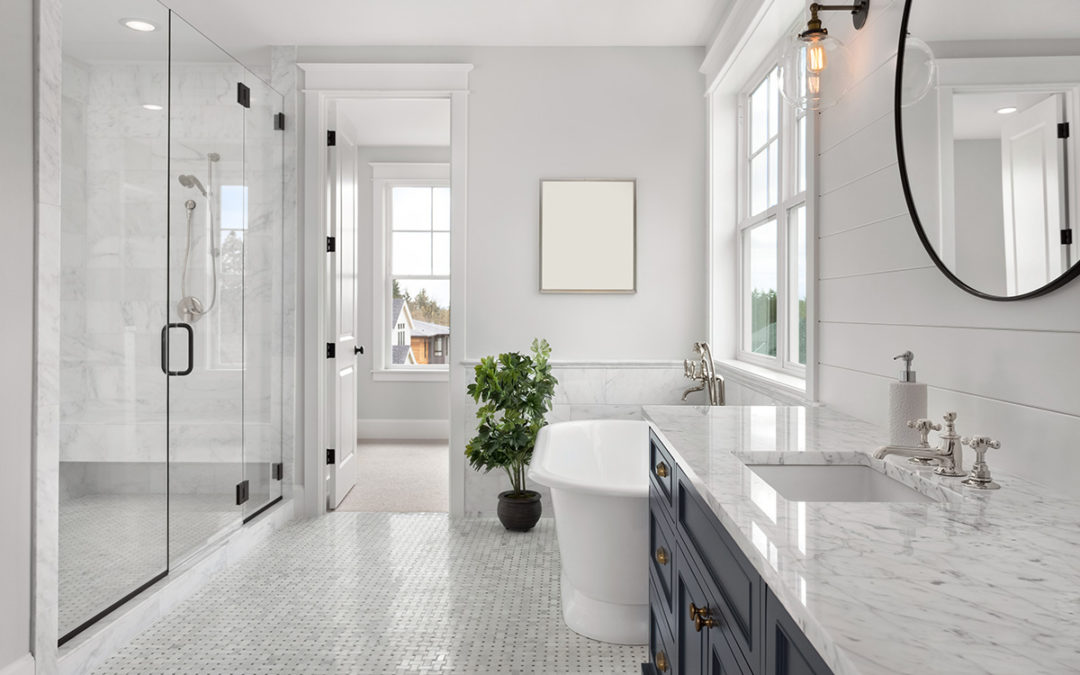
If your bathroom feels outdated, cramped, inefficient, difficult to maintain, or no longer meets your family’s needs, a remodel can be a practical investment. The main reasons to remodel a bathroom are to improve functionality, fix aging problems, increase comfort, improve water and energy efficiency, enhance safety, update the design, and potentially increase your home’s appeal to future buyers.
A bathroom renovation does not always mean a complete demolition. Depending on your goals and budget, you can update fixtures and finishes or undertake a more extensive renovation that changes the layout, plumbing, storage, lighting, and overall design.
1. Your Bathroom Looks Outdated
One of the clearest reasons to remodel a bathroom is an outdated appearance.
Old tile, worn flooring, dated vanities, faded finishes, inefficient fixtures, and poor lighting can make an otherwise well-maintained home feel older than it is.
A bathroom remodel gives you an opportunity to create a cleaner and more cohesive design with upgrades such as:
- A modern vanity
- Updated faucets and fixtures
- New tile or flooring
- Contemporary lighting
- Fresh paint
- Updated shower or tub surrounds
- Better mirrors and storage
You do not necessarily need expensive luxury finishes. Choosing durable, timeless materials can create a modern bathroom without making the design difficult to maintain.
2. The Bathroom No Longer Works for Your Lifestyle
A bathroom should make daily routines easier, not more frustrating.
If there is not enough storage, the shower is difficult to use, the vanity is too small, or the layout creates unnecessary congestion, remodeling can improve how the entire space functions.
For example, a bathroom renovation could add:
- More vanity storage
- Built-in shower shelving
- A larger or more practical vanity
- Better placement of fixtures
- A walk-in shower
- Improved countertop space
- More effective use of an underused area
For homeowners with small bathrooms, thoughtful space planning can be particularly valuable. The goal is not always to make the room physically larger—it is to make the available space work better.
Before making major changes, it is important to evaluate your available space, storage needs, fixtures and layout. These bathroom remodeling considerations can help you prioritize improvements before construction begins.
3. You Are Dealing With Plumbing or Water Problems
Persistent plumbing problems should not simply be covered up with cosmetic improvements.
Leaking faucets, slow drains, outdated plumbing, water stains, recurring moisture problems, or signs of water damage can indicate that your bathroom needs professional attention.
A renovation can provide an opportunity to inspect problem areas and address underlying issues before installing new finishes.
This is especially important in older homes, where existing plumbing, electrical systems, walls, flooring, or other components may require additional attention during renovation.
If you notice recurring leaks, soft flooring, mold, damaged drywall, or unexplained moisture, have the problem evaluated before beginning cosmetic upgrades.
4. You Want to Improve Bathroom Safety
A bathroom can become difficult or unsafe to use as household needs change.
Slippery flooring, high tub walls, poor lighting, limited support, and difficult-to-access showers can create unnecessary risks for older adults, children, or anyone with mobility limitations.
A bathroom remodel can incorporate practical accessibility improvements such as:
- Walk-in showers
- Grab bars
- Slip-resistant flooring
- Handheld showerheads
- Better lighting
- Wider access points where appropriate
- Comfortable-height fixtures
- Easy-to-reach storage
Planning for accessibility does not mean sacrificing style. Many modern safety features can be integrated into an attractive bathroom design.
5. You Want Better Water and Energy Efficiency
Older bathroom fixtures can use more water and energy than newer alternatives.
During a renovation, homeowners can consider water-efficient toilets, low-flow showerheads, efficient faucets, LED lighting, and other upgrades designed to reduce unnecessary consumption.
These improvements can make the bathroom more efficient while potentially lowering ongoing utility expenses.
Energy and water efficiency should be considered alongside durability. The cheapest fixture is not always the best long-term choice; homeowners should consider quality, expected lifespan, maintenance requirements, and installation costs when selecting products.
6. You Want a More Comfortable, Relaxing Bathroom
Bathrooms have evolved beyond purely functional spaces.
Many homeowners want their bathrooms to feel more comfortable and relaxing, particularly in primary suites. A remodel can turn an ordinary bathroom into a more personalized retreat.
Depending on the available space, upgrades may include:
- A larger walk-in shower
- A soaking tub
- Improved lighting
- Heated flooring
- A double vanity
- Natural-looking tile
- Better ventilation
- Custom storage
- A more calming color palette
The best design is not necessarily the most expensive one. It should reflect how you actually use the bathroom and prioritize the features that provide the most everyday value.
7. You Are Preparing to Sell Your Home
A bathroom can influence how potential buyers perceive a home.
A clean, functional and well-maintained bathroom can make a stronger impression than a space with visibly outdated finishes or obvious maintenance issues.
If resale value is one of your priorities, understanding which bathroom upgrades add value can help you focus your budget on improvements that are more likely to appeal to prospective buyers.
Practical upgrades such as a modern vanity, quality fixtures, updated flooring, improved lighting, adequate storage and a clean shower area can improve the overall presentation of the home.
However, homeowners should avoid assuming that every remodeling dollar will return dollar-for-dollar at resale. The potential value of a renovation depends on the project scope, quality, local market and buyer preferences.
8. Your Bathroom Needs Better Ventilation and Lighting
Poor ventilation and inadequate lighting are two problems homeowners sometimes overlook.
Insufficient ventilation can allow excess moisture to remain in the room, contributing to condensation, odors and mold or mildew problems. Poor lighting can make grooming and other daily tasks more difficult.
A bathroom renovation is an opportunity to improve both.
Consider combining general lighting with task lighting around the vanity and appropriate illumination for the shower area. A properly selected exhaust fan can also help manage moisture.
These changes may not be as visually dramatic as new tile or a new vanity, but they can make a significant difference in the comfort and usability of the room.
Is a Bathroom Remodel Worth It?
For many homeowners, a bathroom remodel is worthwhile when it solves a real problem rather than simply following a design trend.
A renovation may make sense if your bathroom:
- Has persistent maintenance problems
- Has an inefficient or uncomfortable layout
- Has outdated plumbing or fixtures
- Lacks sufficient storage
- Has poor lighting or ventilation
- Is difficult to access safely
- No longer suits your household
- Needs updating before selling the home
What Should You Consider Before Remodeling a Bathroom?
Before starting a bathroom renovation, establish the project’s scope.
Ask yourself:
- What problems do I need to solve?
- Am I making cosmetic updates or changing the layout?
- Do plumbing or electrical systems need to be modified?
- How much storage do I need?
- Which fixtures should be replaced?
- What materials fit my maintenance expectations?
- Does the project require permits?
- What is my realistic budget?
- Which improvements are essential and which are optional?
- Who will manage the design, construction and required trades?
Frequently Asked Questions About Bathroom Remodeling
How do I know if my bathroom needs to be remodeled?
Consider remodeling if your bathroom has persistent leaks, damaged surfaces, poor ventilation, an inefficient layout, insufficient storage, outdated fixtures or safety concerns.
Does remodeling a bathroom increase home value?
A well-planned bathroom renovation can improve a home’s appeal and functionality, which may support resale value. However, the return depends on the property’s market, renovation quality, project cost and buyer expectations.
What bathroom upgrades provide the most practical benefits?
Functional improvements such as better storage, updated fixtures, improved lighting, ventilation, durable flooring and a more accessible shower can provide significant everyday benefits.
How much does a bathroom remodel cost in Baltimore?
Current Baltimore estimates show a wide range between smaller bathroom projects and complete renovations, so a project-specific quote is more useful than a generic national average.
Should I remodel my bathroom before selling my home?
Not necessarily. If the bathroom has visible problems or looks significantly outdated, targeted improvements may improve the home’s presentation. Before spending heavily, compare the renovation cost with your expected selling timeline, neighborhood market and the improvements buyers are likely to value.
Final Takeaway
A bathroom remodel is about more than creating a newer-looking room. The right renovation can make the bathroom more functional, safer, easier to maintain, more efficient and more comfortable while potentially improving the home’s appeal.
Start by identifying the problems you want to solve, establish your priorities and budget, and determine whether you need a cosmetic update or a complete renovation. For larger projects involving plumbing, electrical, structural or layout changes, working with an experienced remodeling professional can help you plan the work properly from the beginning.