
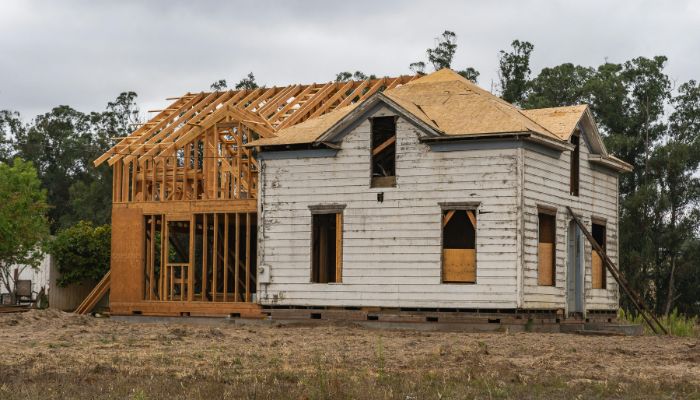
You can plan a home remodel without going over budget by setting a realistic cost range, prioritizing needs over wants, planning for contingencies, and working with experienced professionals who provide transparent estimates and timelines.
A successful remodel isn’t about cutting corners—it’s about smart planning, informed decisions, and disciplined spending. Below is a step-by-step guide built on real-world remodeling experience and best practices homeowners trust.
Why Do Most Home Remodels Go Over Budget
Most remodels exceed budget due to unclear goals, underestimated costs, last-minute design changes, and lack of contingency planning, all of which cause scope creep and unexpected expenses.
From an expert contractor’s perspective, budget overruns rarely come from one big mistake. They usually result from many small decisions made without a clear plan. Homeowners often begin with inspiration photos instead of a defined scope, leading to upgrades mid-project. Hidden structural issues, outdated wiring, or permit requirements can also increase costs. Understanding these risks upfront puts you in control before demolition begins.
How Should I Set a Realistic Remodeling Budget
Set a realistic remodeling budget by researching average local costs, defining your maximum spend, and allocating funds for labor, materials, permits, and a contingency reserve of at least 10–20%.
Budgeting starts with market reality, not wishful thinking. Use local cost benchmarks and professional estimates rather than online national averages alone. A trustworthy contractor will break down costs clearly—labor, materials, design, permits, and inspections. Always decide your absolute maximum before planning details. This financial boundary guides every decision that follows and protects you from emotional overspending.
What Should I Prioritize First in a Remodel
Prioritize structural integrity, safety, and functionality first—such as roofing, plumbing, electrical, and layout efficiency—before focusing on cosmetic upgrades like finishes, fixtures, and décor.
Experienced remodelers know that aesthetics mean little if the home’s core systems fail. Investing in structural and functional improvements ensures long-term value and prevents costly repairs later. For homeowners planning home remodeling in Baltimore Maryland, this is especially important due to older housing stock, stricter codes, and climate-related wear. Smart prioritization protects both your budget and resale value.
How Do I Avoid Scope Creep During Remodeling
Avoid scope creep by finalizing designs, materials, and finishes before construction starts and resisting mid-project changes unless they address safety, compliance, or unavoidable structural issues.
Scope creep is the #1 budget killer. Changing tile, cabinetry, or layouts after work begins triggers labor delays and material waste. Professionals with hands-on experience recommend locking in selections early and documenting them in writing. If changes become necessary, request updated pricing immediately. Transparency and discipline are key to staying on track.
Why Is Getting Detailed Estimates So Important
Detailed estimates prevent budget surprises by clearly outlining labor, materials, allowances, timelines, and exclusions, helping homeowners compare contractors accurately and avoid hidden or unexpected costs.
Vague quotes often hide future expenses. Authoritative contractors provide itemized estimates that explain why costs exist—not just what they cost. This builds trust and allows informed decision-making. Look for proposals that include allowances, payment schedules, warranty details, and change-order processes. Clear documentation protects both homeowner and contractor.
How Much Contingency Money Should I Plan For
Plan a contingency fund of 10–20% of your total remodel budget to cover unexpected issues such as hidden damage, code upgrades, or material price fluctuations without derailing the project.
In real-world remodeling, surprises are normal—especially in older homes. A contingency fund isn’t extra money to spend; it’s financial insurance. Professionals with long-term experience recommend treating it as untouchable unless truly necessary. Having this reserve prevents stress, rushed decisions, and unfinished projects when the unexpected occurs.
Can Sustainable Remodeling Help Control Costs
Yes, sustainable remodeling can reduce long-term costs by improving energy efficiency, durability, and maintenance savings, even if some eco-friendly materials require higher upfront investment.
Green remodeling isn’t just an environmental choice—it’s a financial strategy. Energy-efficient windows, insulation, and appliances lower utility bills and increase home value. Many homeowners also qualify for rebates or incentives. For deeper insight into eco-conscious renovation trends, explore this guide on sustainable home remodeling solutions in Baltimore, which highlights practical ways sustainability and budget planning work together.
How Do I Choose the Right Contractor to Stay on Budget
Choose a contractor with proven experience, transparent pricing, proper licensing, and strong local references who communicates clearly and helps you make cost-effective decisions throughout the project.
Authority and trust matter as much as price. The lowest bid often leads to shortcuts, delays, or change orders. Experienced contractors guide you toward durable materials, realistic timelines, and smarter alternatives that protect your investment. Look for documented experience, warranties, and a clear contract. A reliable professional becomes your budget partner, not a cost risk.
What Are the Best Cost-Saving Tips Without Sacrificing Quality
Save money by keeping existing layouts, mixing high-impact upgrades with standard finishes, purchasing materials early, and focusing spending on elements that deliver the most daily use and value.
You don’t need luxury everywhere to achieve great results. Industry experts often recommend splurging on durability—like cabinetry construction or waterproofing—while choosing cost-effective finishes elsewhere. Reusing layouts reduces plumbing and electrical costs significantly. Smart compromises preserve quality while keeping your remodel financially manageable.
How Can I Remodel With Confidence and Control
You can remodel confidently by planning thoroughly, budgeting realistically, preparing for surprises, and partnering with experienced professionals who prioritize transparency, quality, and long-term value.
A budget-friendly remodel isn’t about luck—it’s about leadership. When homeowners take an informed, structured approach, costs stay predictable and outcomes improve. By combining expert planning, disciplined decision-making, and trusted guidance, you turn a potentially stressful project into a rewarding investment in your home’s future.
Recent Comments